xuè+ (blood 血) ← Tap/click to show/hide the “flashcard”
[Notes: Tap/click on a Pīnyīn (Pīn·yīn {Piecing Together of} · Sounds → [Pinyin] 拼音) expression to reveal its “flashcard”; tap/click on a “flashcard” or its Pīnyīn (Pīn·yīn {Piecing Together of} · Sounds → [Pinyin] 拼音) expression to hide the “flashcard”. 📖 📄 ➕ icons mean 📖 Reveal All, 📄 Reveal Advanced, and ➕ Reveal + Symbols re all the “flashcards” in the heading, paragraph, etc. that they are placed at the beginning of.]
A few years back, I wrote up a brief web page listing reasons for producing Pīnyīn (Pīn·yīn {Piecing Together of} · Sounds → [Pinyin] 拼音), etc. material for the Imitate (ia) book. Some, especially some who grew up in the West, may have felt that this book is made up of “just stories”, and ones that they were already quite familiar with, at that. However, we must remember that Chinese Bible students may often have a different perspective regarding the Bible accounts that are made to come to life in the Imitate book. As that web page said:
- Many Chinese people in the world have not been exposed to Bible accounts the way many Westerners have.
- Also, I have heard that some, perhaps many, Chinese Bible students tend to approach their Bible studies like intellectual exercises for accumulating chōuxiàng (abstract) head knowledge as if for a school exam, rather than as training for their hearts for their own real lives.
Later, the web page touches on how some of the real-world benefits of good storytelling like that found in the Imitate book involve empathy:
- …
- The actress Natalie Portman once said, “I love acting. I think it’s the most amazing thing to be able to do. Your job is practicing empathy. You walk down the street imagining every person’s life.”
- The Imitate book helps build Bible students’ empathy towards Bible characters, which in turn helps Bible students realize that others would feel empathy towards them as well if they imitated these Bible characters—not everyone will just think they’re crazy, like many worldly friends or family members might think.
While even fictional stories can have the benefits described in the links and the quote above, true stories from the Bible can have even greater benefits, including spiritual ones.
Besides the Imitate book, another book from Jehovah’s organization that relates Bible accounts is the Learn From the Bible (lfb) book. The letter from the Governing Body in this book says that, similarly to the Imitate book, the Learn From the Bible book also “brings the Bible accounts to life and captures the feelings of those depicted”, while, unlike the Imitate book, it “tells the story of the human family from creation onward”. While the Learn From the Bible book is especially suitable for children, the letter from the Governing Body in this book says that “it can also be used to help adults who desire to learn more about the Bible”. So, it would be good to consider on this blog some of the expressions used in the Mandarin Learn From the Bible book.
The First Plague
This week’s MEotW, “xuè (blood 血)”, appears in Lesson 19 of the Mandarin Learn From the Bible book, which is entitled “Tóu (Head → [First] 头 頭) Sān (Three 三) Chǎng ([mw for recreational, sports, or other activities] 场 場/塲) Zāiyāng+ (Calamities → [Plagues] 灾殃 災殃)” (“The First Three Plagues”):
English:
Aaron hit the Nile with his stick, and the river turned into blood.
Mandarin:
📖 📄 ➕ Yàlún (Aaron 亚伦 亞倫) yòng (used 用) zhàng+ (stick 杖) jīdǎ ({to hit} 击打 擊打) Níluó (Nile 尼罗 尼羅) Hé (River 河) de (’s 的) shuǐ (water 水), shuǐ (water 水) mǎshàng (mǎ·shàng horse · upon → [immediately] 马上 馬上) jiù (then 就) biànchéngle (biàn·chéng·le changed · {to turn into} · {to completion} 变成了 變成了) xuè (blood 血),
The Ten Plagues that Jehovah brought upon Egypt thus start off with a significant blow to the great Nile River that was vitally important to ancient Egypt. Also, Jehovah thus brought disgrace to Hapi, the god to whom the ancient Egyptians attributed the annual flooding of the Nile River, which provided fertile soil in a desert region.
Related Expressions
Here are some general expressions related to “xuè (blood 血)” that would be good for us Mandarin field language learners to know:
- xuèròu+ (xuè·ròu blood · flesh 血肉 血肉)
- xuèròu+ (xuè·ròu blood · flesh 血肉 血肉)‐zhī+ (’s 之)‐qū+ ({human body} 躯 軀)
- shūxuè+ (shū·xuè {transporting of → [transfusing of]} · blood 输血 輸血)
- xuèzhài+ (xuè·zhài blood · debt 血债 血債)
Here are some expressions related to blood fractions, as used in Lesson 39 of the Mandarin Enjoy Life Forever! book (Pīnyīn (Pīn·yīn {Piecing Together of} · Sounds → [Pinyin] 拼音) Plus):
- xuèjiāng+ (xuè·jiāng blood · {thick liquid → [plasma]} 血浆 血漿)
- bái+ (white 白) xìbāo+ (xì·bāo tiny · wombs → [cells] 细胞 細胞)
- xuè+ (blood 血) xiǎobǎn+ (xiǎo·bǎn small · plates → [platelets] 小板 小板/闆)
- hóng+ (red 红 紅) xìbāo+ (xì·bāo tiny · wombs → [cells] 细胞 細胞)
-
xuèyè+
(xuè·yè
blood · fluid
血液)
tíqǔ wù+
((tí·qǔ
{carried (hanging down from the hand) → [extracted]} · taken → [extracted]
提取)
(wù
matter → [substances]
物)
→ [fractions])
- Note that before, e.g., as used in one of the appendices of the Mandarin “God’s Love” book, the expression for “blood fractions” was “xuèyè (xuè·yè blood · fluid 血液) de (’s 的) wēiliàng chéngfèn+ ((wēi·liàng tiny · amount 微量) (chéng·fèn completion · components 成分/份) → [fractions])”.
Alternate Pronunciations
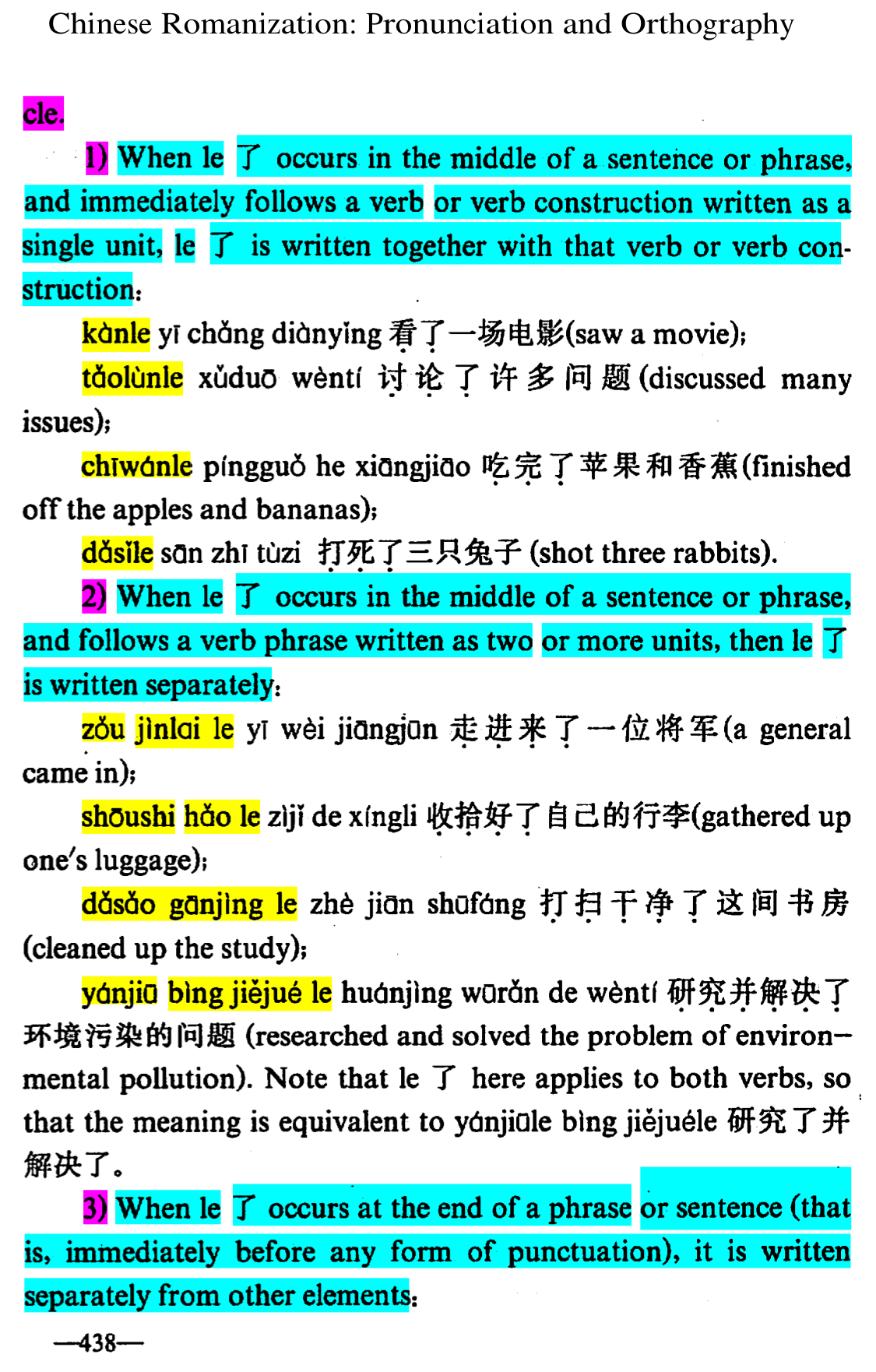
An interesting thing to keep in mind about “xuè (blood 血)” is that this “official” pronunciation is often not the one that is used by native Mandarin speakers. Rather, this expression is often pronounced colloquially in one of the following ways:
- xiě (blood (colloquial pronunciation) 血)
- xuě (blood (colloquial pronunciation) 血)
For convenience:
The direct link for the Pīnyīn (Pīn·yīn {Piecing Together of} · Sounds → [Pinyin] 拼音) Plus resource for the Learn From the Bible book is:
The short link for Chinese field language-learning links for the Learn From the Bible book is:
More Pīnyīn (Pīn·yīn {Piecing Together of} · Sounds → [Pinyin] 拼音) and Pīnyīn (Pīn·yīn {Piecing Together of} · Sounds → [Pinyin] 拼音) Plus web material based on the Mandarin Learn From the Bible book will be made available in the Pīnyīn (Pīn·yīn {Piecing Together of} · Sounds → [Pinyin] 拼音) Plus web resource as time allows.