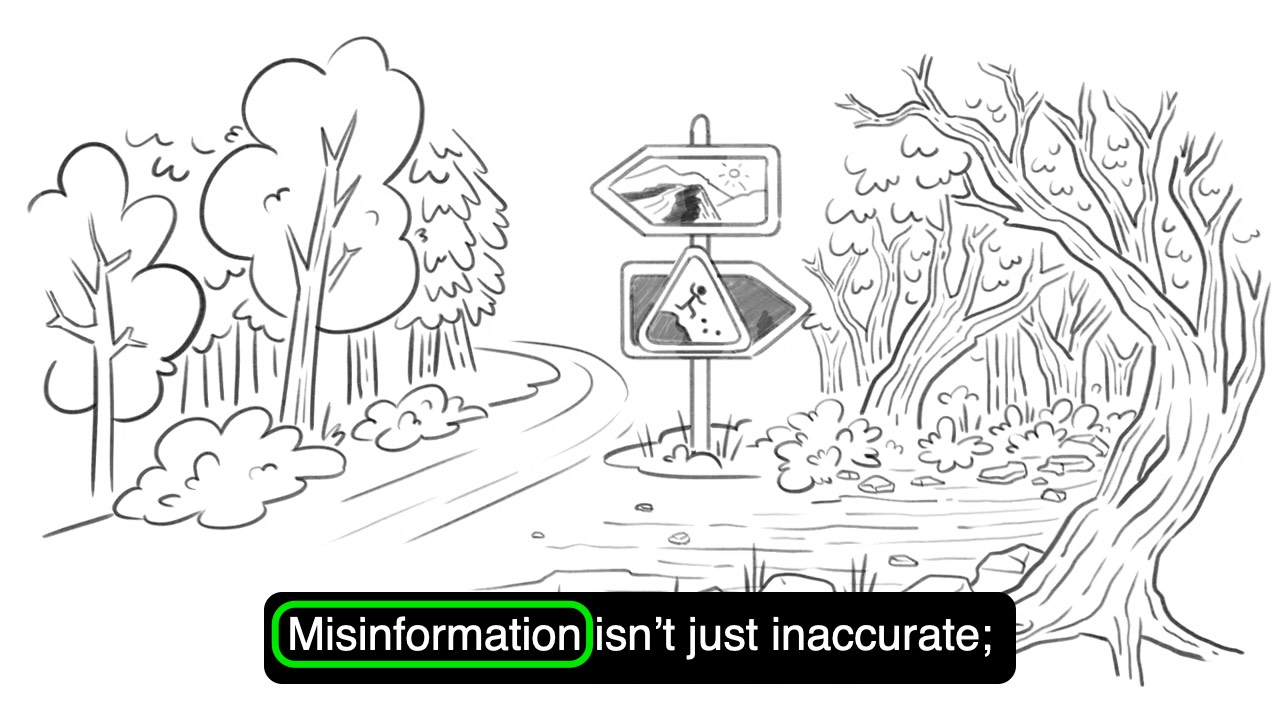
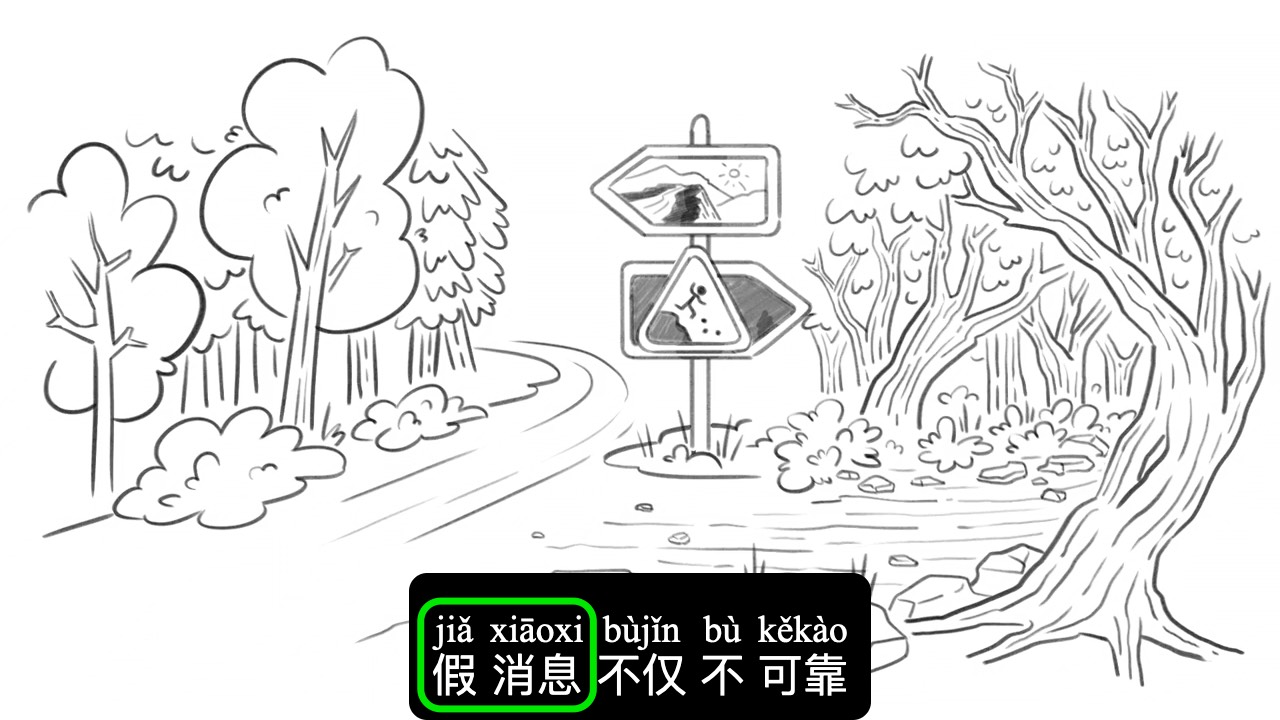
wūdú+ (voodoo 巫毒) 👈🏼 Tap/click to show/hide the “flashcard”
[Notes: Tap/click on a Pīnyīn (Pīn·yīn {Piecing Together of} · Sounds → [Pinyin] 拼音) expression to reveal its “flashcard”; tap/click on a “flashcard” or its Pīnyīn (Pīn·yīn {Piecing Together of} · Sounds → [Pinyin] 拼音) expression to hide the “flashcard”. 📖 📄 ➕ icons mean 📖 Reveal All, 📄 Reveal Advanced, and ➕ Reveal + Symbols re all the “flashcards” in the heading, paragraph, etc. that they are placed at the beginning of.]
One of the publications that is now recommended to be used on Bible studies is the Yǒngyuǎn Xiǎngshòu Měihǎo de Shēngmìng—Hùdòng Shì Shèngjīng Kèchéng ((Yǒng·yuǎn Eternally · {Far (in Time)} 永远 永遠) (Xiǎng·shòu Enjoy · Receive 享受) (Měi·hǎo Beautiful · Good 美好) (de ’s 的) (Shēngmìng Life 生命)—(Hù·dòng {Each Other} · Moving → [Interactive] 互动 互動) (Shì (Type 式) (Shèng·jīng Holy · Scriptures → [Bible] 圣经 聖經) (Kè·chéng Lessons · Procedure → [Course] 课程 課程) → [Enjoy Life Forever!—An Interactive Bible Course (lff)]) (Enjoy Life Forever! (lff)) book. An outstanding feature of this book is its extensive use of the post-paper technology of video, which enables information to be presented much more vividly than could be done with paper. Also, at this time, one of the unique features of Pīnyīn (Pīn·yīn {Piecing Together of} · Sounds → [Pinyin] 拼音) Plus material is Pīnyīn (Pīn·yīn {Piecing Together of} · Sounds → [Pinyin] 拼音) Plus video transcripts. These can help us Mandarin field language learners to analyze and understand the Mandarin speech used in the many videos referenced in the Mandarin Enjoy Life Forever! book. This in turn can help us make more effective use of these videos while participating in Mandarin Bible discussions using this book.
This week’s MEotW, “wūdú (voodoo 巫毒)”, occurs in subtitle 3 of the transcript for the video for lesson 14, point 5 of the Mandarin Enjoy Life Forever! book:
English:
At a tender age, I had a troubled mind
as to how I would be pleasing to God
and also at the same time be pleasing in the eyes of the voodoo.
Mandarin:
1
00:00:02,952 → 00:00:06,556
📖 📄 ➕ Cóngxiǎo+ (Cóng·xiǎo from · {being little → [being young]} → [from childhood] 从小 從小) wǒ (I 我) jiù (then 就) yìzhí (yì·zhí one · {being straight} → [all the while] 一直) zài ({had been in} → [had then been] 在) xiǎng (thinking 想)2
00:00:06,556 → 00:00:11,461
📖 📄 ➕ wǒ (I 我) zěnyàng (zěn·yàng (in) what · {pattern → [way]} → [how] 怎样 怎樣) zuò ({would do} 做) kěyǐ (kě·yǐ {to be able} · [suf] 可以) tóngshí (tóng·shí {(at the) same} · {(particular) time} 同时 同時) ràng ({to make} 让 讓) Shàngdì (Shàng·dì Above’s · {Emperor → [God]} → [God] 上帝) xǐyuè+ ({to be pleased} 喜悦 喜悅),3
00:00:11,461 → 00:00:14,964
📖 📄 ➕ yòu (also 又) ràng ({to make} 让 讓) wūdú+ (voodoo 巫毒) de (’s 的) shénlíng (shén·líng gods · spirits 神灵 神靈) xǐyuè ({to be pleased} 喜悦 喜悅).
Speech Is Primary!
The individual morphemes of “wūdú (voodoo 巫毒)” have interesting meanings (“witch/wizard/shaman” and “poison”), but ultimately, “wūdú (voodoo 巫毒)” is a loanword from the English word “voodoo”, which in turn comes, via Louisiana French, from the Fon word “vodun”, meaning “god; deity”.
How similar these loanwords sound reminds us that, as linguists say, speech, with its invisible sounds to represent meaning, is actually the primary aspect of language, as opposed to writing, which is secondary, no matter how intricate its visual symbols are.
Power-Hungry?
As Jehovah’s people, we have been taught to seek to imitate him and cultivate and display a healthy balance and combination of Jehovah’s four cardinal attributes: power, justice, wisdom, and love. (Ephesians 5:1, 2) However, those who are devoted to voodoo and other forms of spiritism seek power over all else. This unbalanced thirst for power over all else, ignoring and even actively fighting against wisdom, justice, and love, is common in Satan’s world, which is made in Satan’s deformed spiritual image.
The perceived voodooesque power of characters—including their mythical idol-like power to represent invisible meaning with their mesmerizing visual designs, and also the cultural power, social status, and glamour associated with them—is of course appealing to those who conform to the power-hungry template of those infected with the spirit of Satan’s world.
When such ones are presented with the simple, humble effectiveness of Pīnyīn (Pīn·yīn {Piecing Together of} · Sounds → [Pinyin] 拼音), they recoil at this this threat to their precious characters-based power, much as the Pharisees, etc. recoiled at the threat Jesus and his back-to-spiritual-basics teachings posed to their traditions-based power. On the other hand, Mandarin field language learners who are truly motivated by love for God and neighbour see in Pīnyīn (Pīn·yīn {Piecing Together of} · Sounds → [Pinyin] 拼音) an excellent tool for helping them to effectively use Mandarin speech—the actual primary aspect of the Mandarin language—to help them praise and glorify Jehovah and give spiritual assistance to honest-hearted people in the Mandarin field.
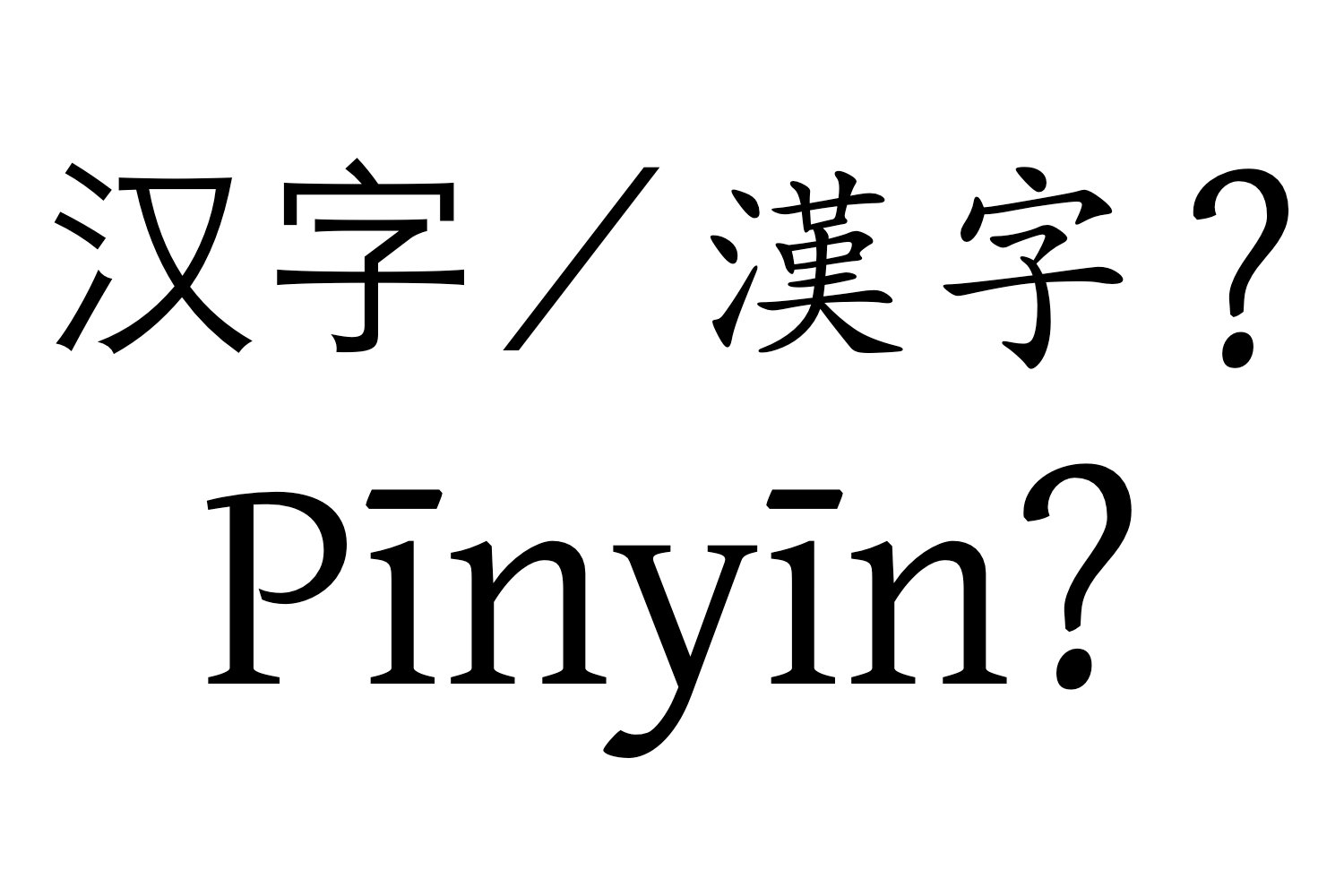
Indeed, whereas some feel that characters present a test of our determination to serve God in the face of difficulties, it is evident that characters can actually present a test of our motivations as Mandarin field language learners, especially when Pīnyīn (Pīn·yīn {Piecing Together of} · Sounds → [Pinyin] 拼音) is available (as it often is now). Are we in our pride hungry for the voodooesque power often associated with the characters? Or are we truly motivated by love of God and neighbour to look for ways to get past the unnecessarily obstructive Great Wall of characters, and to make good use of Pīnyīn (Pīn·yīn {Piecing Together of} · Sounds → [Pinyin] 拼音), in many situations the evidently better tool for glorifying God and helping our Mandarin-speaking neighbours, when it is available?—1 Corinthians 13.

How do we respond to the seemingly powerful Great Wall of characters?
For convenience:
The direct link for the Pīnyīn (Pīn·yīn {Piecing Together of} · Sounds → [Pinyin] 拼音) Plus resource for the Enjoy Life Forever! book is:
The short link for Chinese field language-learning links for the Enjoy Life Forever! book is:
More Pīnyīn (Pīn·yīn {Piecing Together of} · Sounds → [Pinyin] 拼音) and Pīnyīn (Pīn·yīn {Piecing Together of} · Sounds → [Pinyin] 拼音) Plus web material based on the Mandarin Enjoy Life Forever! book will be made available in the Pīnyīn (Pīn·yīn {Piecing Together of} · Sounds → [Pinyin] 拼音) Plus web resource as time allows.