Categories
Culture Current Events Experiences Language Learning Technology Theocratic

qiānqiū‐wàndài

qiānqiū (qiān·qiū thousand · autumns 千秋)wàndài (wàn·dài {ten thousand} · {replacings → [generations]} 万代 萬代) 👈🏼 Tap/click to show/hide the “flashcard”

[Notes: Tap/click on a Pīnyīn (Pīn·yīn {Piecing Together of} · Sounds → [Pinyin] 拼音) expression to reveal its “flashcard”; tap/click on a “flashcard” or its Pīnyīn (Pīn·yīn {Piecing Together of} · Sounds → [Pinyin] 拼音) expression to hide the “flashcard”. 📖 📄 📘 icons mean 📖 Reveal All, 📄 Reveal Advanced, and 📘 Reveal None re all the “flashcards” in the heading, paragraph, etc. that they are placed at the beginning of.]

Rather than dismissively thinking to ourselves that the songs produced by the organization are “just songs”, we should remember that the slave class takes seriously its responsibility to provide spiritual food to God’s people, and so it is going to make sure that the lyrics in its songs are spiritually correct, while also being emotionally moving.—Ezekiel 33:32; Matthew 24:45.

“In Ev’ry Generation”

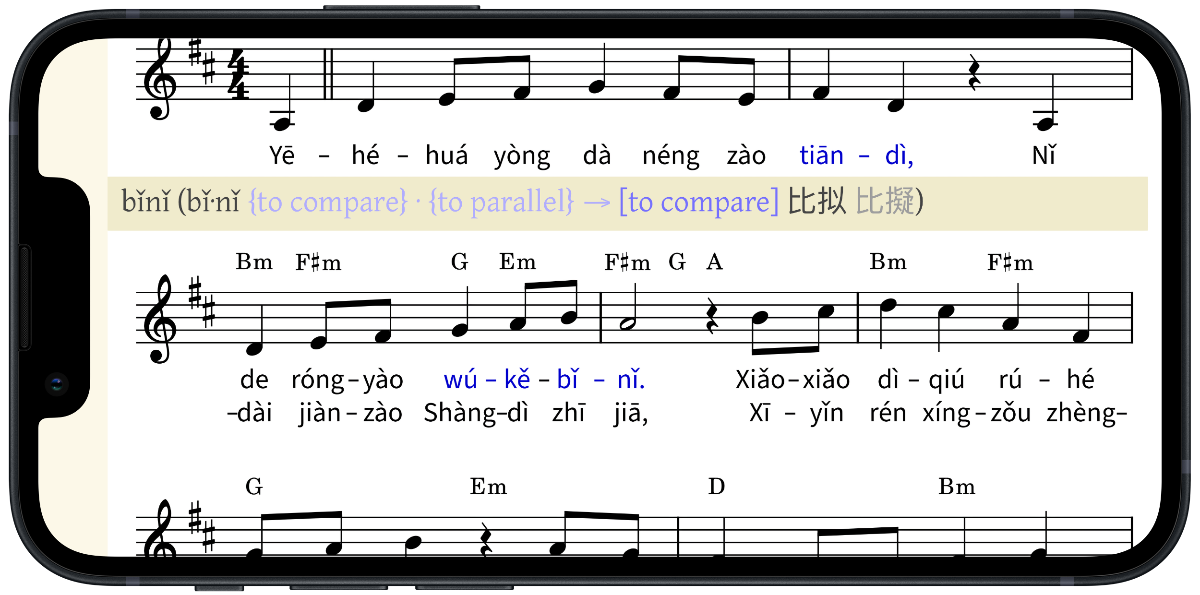
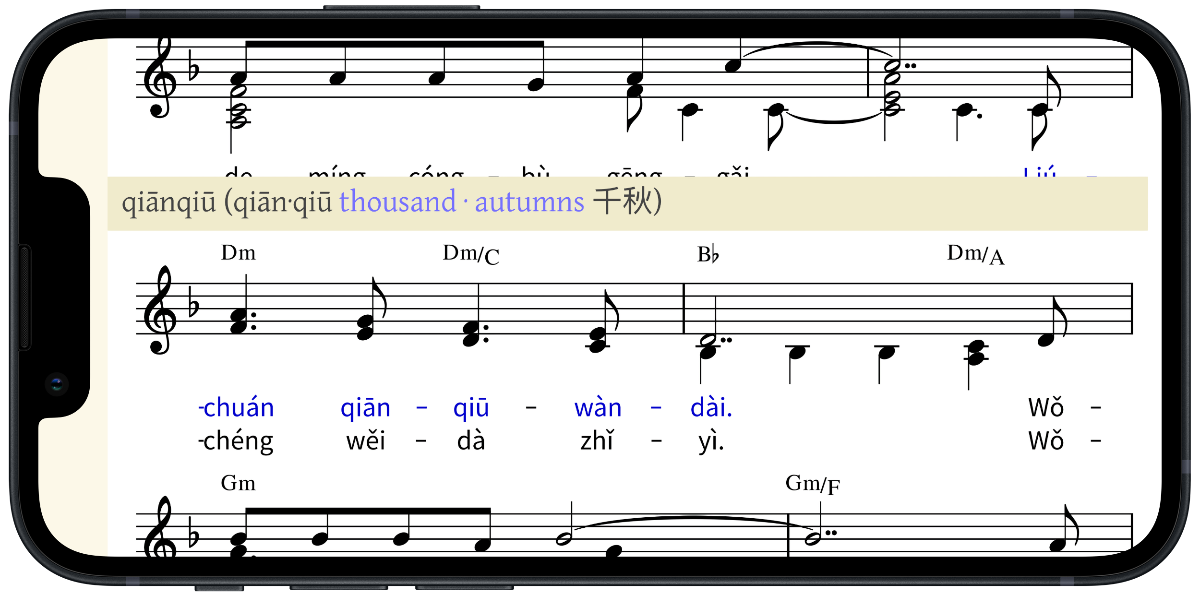
“qiānqiū” _Pīnyīn_ Plus info, Song 2 (music+_Pīnyīn_), on iPhone 13 mini (landscape orientation)

This week’s MEotW in the unofficial Pīnyīn (Pīn·yīn {Piecing Together of} · Sounds → [Pinyin] 拼音) Plus resource “Sing Out Joyfully” Bk. (Pīnyīn+Music, Pīnyīn Plus, Web)

This week’s MEotW, “qiānqiū (qiān·qiū thousand · autumns 千秋)wàndài (wàn·dài {ten thousand} · {replacings → [generations]} 万代 萬代)”, comes from the first verse of song 2, which is entitled “Jehovah Is Your Name” in English and “Nǐ de ((Nǐ You 你) (de ’s 的) [Your]) Míng (Name 名) Shì (Is 是) Yēhéhuá (Jehovah 耶和华 耶和華) in Mandarin:

English:

In ev’ry generation—
Jehovah is your name.

Mandarin (WOL, Pīnyīn (Pīn·yīn {Piecing Together of} · Sounds → [Pinyin] 拼音) Plus):

📖 📄 📘 Nǐ de ((Nǐ you 你) (de ’s 的) [your]) míng (name 名) cóngbù (cóng·bù ever · not → [never] 从不 從不) gēnggǎi (gēng·gǎi {does change} · {does alter} 更改),
Liúchuán (Liú·chuán {flows → [circulates]} · {is handed down} (for) 流传 流傳) qiānqiū (qiān·qiū thousand · autumns 千秋)wàndài (wàn·dài {ten thousand} · {replacings → [generations]} 万代 萬代).

“Qiānqiū (Qiān·qiū thousand · autumns 千秋)wàndài (wàn·dài {ten thousand} · {replacings → [generations]} 万代 萬代) literally means “thousand autumns ten thousand replacings”. However, as explained in the MEotW post on “dài ({take the place of}; replace; subsitute | replacing; substituting → [acting; substitute | generation [→ [period; era; age]]] 代)”, this expression, while literally meaning “replacing”, can effectively mean “generation”:

Yes, the Chinese concept of a “generation” is that it is something that takes the place of or replaces what was there before—the emphasis seems to be on continuation, and a new generation is viewed as having done well if it lived up to or maintained what came before it. In contrast, in the English-speaking world, a “generation” is something new that is generated—the emphasis seems to be more on innovation, progress, and a new generation is viewed as having done well if it improved upon what came before it, and moved things ahead. For example, the English expression “next generation” indeed implies innovation and progress compared to previous generations, such as when applied to vehicles, computers, and other technology.

So, on a certain level of literalness, “qiānqiū (qiān·qiū thousand · autumns 千秋)wàndài (wàn·dài {ten thousand} · {replacings → [generations]} 万代 萬代) means “thousand autumns ten thousand generations”. As shown in the example above from song 2, this is basically a poetic way to refer to “ev’ry generation”, or “forever”. Another expression that means basically the same thing is “qiānqiū (qiān·qiū thousand · autumns 千秋)wànshì (wàn·shì {ten thousand} · generations 万世 萬世)”.

Also, another example of “wàn ({ten thousand} [→ [all; a very great number of]]萬/万) (“ten thousand”) being used in Mandarin to effectively mean “all” or “every” occurs in “wànwù (wàn·wù {ten thousand → [all]} · things 万物 萬物)”, which literally means “ten thousand things” and effectively means “all things”.

Is Everyone Replaceable?

This talk of replacing reminds me: It’s a pet peeve of mine that people sometimes use the expression “no one is irreplaceable”. While it’s true that each of us should maintain appropriate modesty and humility, I suspect that this expression really reflects worldly human corporate culture that treats people like fungible, disposable widgets instead of as individual human beings that each have different qualities and abilities. Such thinking that justifies exploiting people for small-minded short-term profit without having to appropriately recognize and reward them for their individual contributions and potential is in stark contrast to the Bible’s depiction of how Jehovah God knows and values each one of us as individuals. As Jesus said at Matthew 10:29–31:

Two sparrows sell for a coin of small value, do they not? Yet not one of them will fall to the ground without your Father’s knowledge. But even the hairs of your head are all numbered. So have no fear; you are worth more than many sparrows.

Musical Notation 🎼 and the Mandarin Field

In this post about a Mandarin expression found in our songbook, another subject that I want to touch on is: Is musical notation 🎼 too hard to be worth the trouble of producing it and using it? Are fewer and fewer people able to read it? I was fortunate enough to have been taught how to read musical notation in school. I have never thought of musical notation as being particularly difficult to use (it’s much easier to learn than characters, which many unquestioningly try to learn), and I find that it helps me to sing Kingdom songs more correctly (according to the intended melody, message, etc.) and more confidently more of the time. However, I am aware that not everyone in the Mandarin field has the same experience with musical notation. For example, a while ago, an older brother told me that he didn’t know how to read musical notation. Also, some people in the Mandarin field may have been affected by how education systems in this old world have been facing significant challenges relating to providing music education for younger ones.

Regardless of how the world may be failing in many cases to equitably provide good music education, Jehovah’s organization has pointed out that music is important in Jehovah’s worship. For example, not long ago, a Meeting Workbook said:

Music can have a powerful influence on the mind and body. Singing is an important part of our worship of Jehovah.

In accordance with the importance of music in Jehovah’s worship, Mandarin field language learners used to have available to them official material from the organization containing musical notation with Pīnyīn (Pīn·yīn {Piecing Together of} · Sounds → [Pinyin] 拼音) in the lyrics. However, perhaps at least partially because of the technical difficulty and costliness of producing material with musical notation and both Chinese characters and Pīnyīn (Pīn·yīn {Piecing Together of} · Sounds → [Pinyin] 拼音) in the lyrics, as of this writing, late in 2024, there is no official material currently available from the organization that shows Pīnyīn (Pīn·yīn {Piecing Together of} · Sounds → [Pinyin] 拼音) and musical notation on the same page or screen.

The organization continues to publish official songbook material for different languages in general that contains musical notation, so it evidently still considers musical notation to generally be worthwhile to produce. It continues to produce official material for the current songbook that uses musical notation along with lyrics rendered only in Chinese characters, without Pīnyīn (Pīn·yīn {Piecing Together of} · Sounds → [Pinyin] 拼音), and it has even produced official material that uses jiǎnpǔ (jiǎn·pǔ simple · {register or record for reference → [musical notation]} → [numbered musical notation] 简谱 簡譜) (a kind of musical notation also known as numbered musical notation) and Chinese characters.

For those who find it helpful in their Mandarin field activities to put musical notation together with Pīnyīn (Pīn·yīn {Piecing Together of} · Sounds → [Pinyin] 拼音), the unofficial Pīnyīn (Pīn·yīn {Piecing Together of} · Sounds → [Pinyin] 拼音) Plus resource “Sing Out Joyfully” Bk. (Pīnyīn+Music, Pīnyīn Plus, Web) exists and is continuing to be improved. As shown in the screenshot above, this resource aids Mandarin field language learners by breaking with tradition and featuring lyrics in the musical notation that are only in relatively large-print Pīnyīn (Pīn·yīn {Piecing Together of} · Sounds → [Pinyin] 拼音) by default—characters are relegated to Pīnyīn (Pīn·yīn {Piecing Together of} · Sounds → [Pinyin] 拼音) Plus “flashcards” that are added as time allows.

Unlike the traditionally-used but unnecessarily extraordinarily complex characters that need to be accompanied by Pīnyīn (Pīn·yīn {Piecing Together of} · Sounds → [Pinyin] 拼音) before many are able to read them, Pīnyīn (Pīn·yīn {Piecing Together of} · Sounds → [Pinyin] 拼音) itself is a simple, elegant alphabetical full writing system for Mandarin that is easy to learn and remember. Also, it is no harder to typeset than other alphabetical writing systems with diacritics, such as the writing systems now used for French, Czech, Vietnamese, etc.*

In its Tips: section at the bottom of its home page, the “Sing Out Joyfully” Bk. (Pīnyīn+Music, Pīnyīn Plus, Web) resource contains these links that some may find helpful:


For convenience:

The direct link for the Pīnyīn (Pīn·yīn {Piecing Together of} · Sounds → [Pinyin] 拼音) Plus resource for the “Sing Out Joyfully” book is:

The short link for Chinese field language-learning links for the “Sing Out Joyfully” book is:

More Pīnyīn (Pīn·yīn {Piecing Together of} · Sounds → [Pinyin] 拼音) and Pīnyīn (Pīn·yīn {Piecing Together of} · Sounds → [Pinyin] 拼音) Plus web material based on the Mandarin “Sing Out Joyfully” book will be made available in the Pīnyīn (Pīn·yīn {Piecing Together of} · Sounds → [Pinyin] 拼音) Plus web resource as time allows.


* Thanks to ongoing advancements in personal computing hardware and software, producing material that contains things like musical notation and Pīnyīn (Pīn·yīn {Piecing Together of} · Sounds → [Pinyin] 拼音) text at reasonable cost is quicker and easier than ever. At this time, production of the musical notation in the “Sing Out Joyfully” Bk. (Pīnyīn+Music, Pīnyīn Plus, Web) resource begins in free open source software called MuseScore Studio, running on a Mac. Pīnyīn (Pīn·yīn {Piecing Together of} · Sounds → [Pinyin] 拼音) text for the lyrics in the musical notation is entered using macOS’s ABC – Extended input source (keyboard layout). (Just using Pīnyīn (Pīn·yīn {Piecing Together of} · Sounds → [Pinyin] 拼音) text only here simplifies things so much compared to having to somehow input characters with Pīnyīn (Pīn·yīn {Piecing Together of} · Sounds → [Pinyin] 拼音) ruby text!) When it’s ready, the musical notation for a song is exported from MuseScore Studio into SVG format, which is a plain text format that allows for the inclusion of links that activate Pīnyīn (Pīn·yīn {Piecing Together of} · Sounds → [Pinyin] 拼音) Plus flashcards on webpages. The coding for the SVG links is currently mostly done using the text editor BBEdit, in which editing large text files is quite performant. For Pīnyīn (Pīn·yīn {Piecing Together of} · Sounds → [Pinyin] 拼音) Plus web material production in general, my current favourite tool is Nova, but such web material can be produced in any application suitable for web development, such as Visual Studio Code, etc. ^

Categories
Culture Current Events Experiences Language Learning Science Technology Theocratic

zhēngyì

zhēngyì (zhēng·yì contending · discussing [→ [dispute; controversy]] 争议 爭議) ← Tap/click to show/hide the “flashcard”

[Notes: Tap/click on a Pīnyīn (Pīn·yīn {Piecing Together of} · Sounds → [Pinyin] 拼音) expression to reveal its “flashcard”; tap/click on a “flashcard” or its Pīnyīn (Pīn·yīn {Piecing Together of} · Sounds → [Pinyin] 拼音) expression to hide the “flashcard”. 📖 📄 📘 icons mean 📖 Reveal All, 📄 Reveal Advanced, and 📘 Reveal None re all the “flashcards” in the heading, paragraph, etc. that they are placed at the beginning of.]

The Shēngmìng Láizì Chuàngzào Ma? ((Shēngmìng Life 生命) (Lái·zì Came · From 来自 來自) (Chuàng·zào Initiating · {Making, Creating} → [Creating] 创造 創造) (Ma [? ptcl for “yes/no” questions])? [Was Life Created? (lc)]) (Was Life Created? (lc)) brochure and the Shēngmìng de Qǐyuán—Zhíde Sīkǎo de Wǔ Ge Wèntí ((Shēngmìng Life 生命) (de ’s 的) (Qǐ·yuán {Rising → [Starting]} · Source → [Origin] 起源/原)—(Zhí·de Worth · Getting → [Worth] 值得) (Sī·kǎo {Thinking About} · Examining 思考) (de ’s 的) (Wǔ Five 五) (Ge [mw]個/个) (Wèn·tí Asking · Subjects → [Questions] 问题 問題) [The Origin of Life—Five Questions Worth Asking (lf)]) (The Origin of Life—Five Questions Worth Asking (lf)) brochure were originally published back in 2010, but recently, the English version of the Was Life Created? brochure was updated to the December 2022 Printing, and the Mandarin version of it was updated to the February 2023 Printing. Also, the Was Life Created? brochure and the Origin of Life brochure are now in the Teaching Toolbox section in the JW Library app. So, it would be good to consider some of the expressions used in the Mandarin versions of these publications that can be so helpful when discussing whether life was created.

Controversy!

This week’s MEotW, which appears in the section of the Mandarin Was Life Created? brochure entitled “Jiǎnjiè (Jiǎn·jiè {Simple → [Brief]} · {Being Situated Between → [Introduction]} 简介 簡介) (“Introduction”), is “zhēngyì (zhēng·yì contending · discussing [→ [dispute; controversy]] 争议 爭議)”:

English:

Was life created, or are you purely the product of random, undirected events? Few questions create more controversy.

Mandarin (WOL; Pīnyīn (Pīn·yīn {Piecing Together of} · Sounds → [Pinyin] 拼音) Plus)

📖 📄 📘 Shēngmìng (life 生命) láizì (lái·zì came · from 来自 來自) chuàngzào (chuàng·zào initiating · {making, creating} → [creating] 创造 創造) ma ([? ptcl for “yes/no” questions])? Háishi (Hái·shi {still more → [or]} · {is (it a)} 还是 還是) chúncuì ({being pure} → [purely] 纯粹 純粹) yóu ({due to} 由/繇) yìxiē (yì·xiē one · {indefinite number of} → [some] 一些) suíjī (suí·jī {coming along with} · chance → [random] 随机 隨機), (not 不) shòu ({having received} 受) zhǐhuī (zhǐ·huī {(pointing with) finger → [pointing]} · {spraying → [directing]} → [directing] 指挥 指揮) de (’s 的) shìjiàn (shì·jiàn events · [mw] 事件) yǎnshēng (yǎn·shēng {having been spilled over} · {having been given birth to} → [having been produced] 衍生) chulai (chu·lai out · {to come} 出来 出來) de ({’s (thing)} 的) ne ([? ptcl] 呢)? Zhèixiē (Zhèi·xiē this · {indefinite number of} → [these] 这些 這些) wèntí (wèn·tí asking · subjects → [questions] 问题 問題) bèishòu (bèi·shòu fully · receive 备受 備受) zhēngyì (zhēng·yì contending · discussing → [controversy] 争议 爭議),

As can be seen from the above quotes, the Mandarin Was Life Created? brochure uses “zhēngyì (zhēng·yì contending · discussing [→ [dispute; controversy]] 争议 爭議) to translate the English word “controversy”.

War!

In “zhēngyì (zhēng·yì contending · discussing [→ [dispute; controversy]] 争议 爭議)”, “zhēng (contend; fight; vie; strive; dispute [→ [argue; debate; ]]) means “contend”, and “yì (discussing; conferring; {exchanging views}; {talking over} [→ [(exchanged) opinion; view]]) means “discuss”. Together, they can be understood to mean something like “contentious discussion”, which leads us to the meaning of “controversy” in cases such as its use in the Was Life Created? brochure that is mentioned above.

Interestingly, the “zhēng (contend; fight; vie; strive; dispute [→ [argue; debate; ]]) that’s in “zhēngyì (zhēng·yì contending · discussing [→ [dispute; controversy]] 争议 爭議) also appears in “zhànzhēng (zhàn·zhēng war · contending → [war; warfare] 战争 戰爭)”, which means “war”. Is it going too far to associate creation vs. evolution discussions with war? Well, for what it’s worth, consider that “Creation–evolution controversy” is listed as a related link on the Wikipedia page for “culture war”.

Culture Wars and Spiritual Warfare

While the expression “culture war” does not seem to appear in the publications of Jehovah’s organization, searching the Watchtower ONLINE LIBRARY (WOL) for “spiritual & (war | warfare)” (not including the quotation marks) returns lots of results. This blog also has a “Spiritual War” tag for posts that touch on this subject. And of course, in 2 Corinthians 10:3–5, the Bible itself explains to us that God’s true worshippers must fight a spiritual war:

For though we walk in the flesh, we do not wage warfare according to what we are in the flesh. For the weapons of our warfare are not fleshly, but powerful by God for overturning strongly entrenched things. For we are overturning reasonings and every lofty thing raised up against the knowledge of God, and we are bringing every thought into captivity to make it obedient to the Christ;

Also, as Jehovah’s Witnesses and Jesus’ true followers, we seek to follow Jesus’ example, as described by Jesus himself at John 18:37:

…For this I have been born, and for this I have come into the world, that I should bear witness to the truth.…

One way we can distinguish between the culture wars of this world and the spiritual warfare that true Christians engage in is that the world’s culture wars involve contentions over human ideas embodied in this world’s human cultures, while true Christian spiritual warfare involves bearing witness to and fighting for God’s truth, “the knowledge of God”. Also, the world’s culture wars often spill over into the political arena, whereas like Christ himself, true Christian spiritual warriors stay out of politics.—John 18:36.

Principled Spiritual Warfare

Since the theory of evolution obviously qualifies as a “lofty thing raised up against the knowledge of God”, it can rightly be said that witnessing to Mandarin-speaking people—many of whom were taught to be atheists—about creation and evolution is an important part of fighting on the Mandarin front of the spiritual war that true Christians are involved in. Of course, though, it’s not true that “all’s fair in love and war”. Even the world has its law of war, and as true Christians, we fight our spiritual war in harmony with the counsel and principles in God’s Word the Bible, such as this counsel in 1 Peter 3:15:

But sanctify the Christ as Lord in your hearts, always ready to make a defense before everyone who demands of you a reason for the hope you have, but doing so with a mild temper and deep respect.

How can we be effective spiritual warriors, and also be “doing so with a mild temper and deep respect”? Regarding this possible conundrum, I am reminded of a well-meaning circuit overseer I remember who, while saying that although God’s Word is the sword of the spirit, we should use it kindly, was making stabbing motions with his arm. 🤭

Seriously, though, when it comes to discussing creation and evolution with people, we can learn much by noting the example set by Jehovah’s organization re tone, wording, etc. in the Was Life Created? and Origin of Life brochures, in the “Science and the Bible” articles on jw.org, etc. For us Mandarin field language learners, resources like the Pīnyīn (Pīn·yīn {Piecing Together of} · Sounds → [Pinyin] 拼音) WOL and the Pīnyīn (Pīn·yīn {Piecing Together of} · Sounds → [Pinyin] 拼音) Plus resources can help us to follow the organization’s example re tone, wording, etc. in Mandarin.

Mandarin Writing System Controversy?

To many, the idea that Pīnyīn (Pīn·yīn {Piecing Together of} · Sounds → [Pinyin] 拼音) is a full writing system for Mandarin and thus can and should be advantageously used as a full writing system (and not just as a pronunciation aid) in the Mandarin field may still seem controversial. However, the evidence for this idea is quite solid from a linguistics (language science) point of view. It’s only when looked at from a nostalgic, traditionalist point of view that it may seem controversial, even outrageous—Chinese characters have been the traditionally accepted writing system for the Chinese languages for thousands of years, and teachers continue to teach their students accordingly. Indeed, Chinese characters may literally represent the most deeply and widely embedded cultural tradition still in existence.

Even so, ultimately, tradition is now the only reason for using characters, because technically, objectively, characters are not necessary for writing any language (e.g., alternatives like Pīnyīn (Pīn·yīn {Piecing Together of} · Sounds → [Pinyin] 拼音), Hangul, and the Vietnamese alphabet already exist), nor, with their extraordinary complexity, inconsistent design, and inhuman numerousness, are they advantageous, except for fitting in with prevailing tradition.

However, as true Christians, should we be bound by such tradition, deeply embedded as it is? In Jesus’ time, there were also many deeply embedded traditions that teachers promoted and people followed, but which made worshipping God unnecessarily difficult and burdensome. Do you remember how Jesus felt about that?

Mark 7:13 records Jesus saying this to the Pharisees and scribes:

Thus you make the word of God invalid by your tradition that you have handed down. And you do many things like this.”

According to Wordnik, “invalid” could mean “deficient in health; infirm; weak; sick”, or “of no force, weight, or cogency; weak”. The experiences of many in the Mandarin field have shown that giving priority to Chinese characters can indeed lead to Mandarin language skills that are weak and sickly, such that many Mandarin field language learners ended up unable to speak the word of God in Mandarin with cogency, that is, “power of proving or of producing belief; the quality of being highly probable or convincing; force; credibility”.

Regardless of deeply embedded human tradition, do we dedicated servants of Jehovah God not owe it to him to do better than that, if we can?—Malachi 1:6–8.

On a more positive note, I can testify that my own Mandarin improved noticeably after I switched to using Pīnyīn (Pīn·yīn {Piecing Together of} · Sounds → [Pinyin] 拼音) as much as possible, and only using characters when absolutely necessary. One indication of the degree of this improvement is that after I made that switch, native Mandarin-speakers started telling me that I sound like a native Mandarin-speaker, something no one ever said to me in all the many years that I spent focusing on characters.

How Will We Personally Deal with Controversy?

When faced with controversy, many just “go along to get along” (“conform to general expectations so as not to disrupt or endanger one’s sense of security or belonging”). As Jesus said, many just follow the crowd and take the broad road. (Matthew 7:13) However, Jesus did not do that when faced with burdensome, deeply embedded traditions in his day, we Jehovah’s Witnesses do not do that when it comes to widely accepted ideas about evolution, and we do not have to do that when it comes to how we view and use Chinese characters and Pīnyīn (Pīn·yīn {Piecing Together of} · Sounds → [Pinyin] 拼音). As the MEotW post on “Yànwén (Yàn·wén {Proverb (Korean: Vernacular)} · Writing → [Hangul/Hankul (modern Korean writing system)] 谚文 諺文) pointed out:

Your Own Personal Hangul for Mandarin?

However, while that may be the situation with the proud worldly nation of China, what about each of us Mandarn field language learners, as individuals who are dedicated to Jehovah God and not to any worldly human culture? …we are free to choose for ourselves to use Pīnyīn (Pīn·yīn {Piecing Together of} · Sounds → [Pinyin] 拼音) as a full writing system for Mandarin and thus be fully empowered by its simplicity and elegance to serve Jehovah better, as long as we don’t allow ourselves to be shackled by mere human tradition, or by peer pressure.


For convenience:

The direct link for the current generation Pīnyīn (Pīn·yīn {Piecing Together of} · Sounds → [Pinyin] 拼音) Plus resource for the Was Life Created? brochure is:

The short link for Chinese field language-learning links for the Was Life Created? brochure is:

More Pīnyīn (Pīn·yīn {Piecing Together of} · Sounds → [Pinyin] 拼音) and Pīnyīn (Pīn·yīn {Piecing Together of} · Sounds → [Pinyin] 拼音) Plus web material based on the Mandarin Was Life Created? brochure will be made available in the Pīnyīn (Pīn·yīn {Piecing Together of} · Sounds → [Pinyin] 拼音) Plus web resource as time allows.

Categories
Culture History Language Learning Names Technology

Hànzì

Hànzì (Hàn·zì {Han (Chinese)} · Characters 汉字 漢字) ← Tap/click to show/hide the “flashcard”

Hànzì (Hàn·zì {Han (Chinese)} · Characters 汉字 漢字)” is what Chinese characters are called in Mandarin. Actually, “Hànzì (Hàn·zì {Han (Chinese)} · Characters 汉字 漢字)” literally means “Han characters”, but as discussed in the MEotW post on “Hànyǔ (Hàn·yǔ {Han (Chinese)} · Language [→ [(Modern Standard) Mandarin]] 汉语 漢語)”, the Han are by far the largest ethnic group in China, and they are the dominant cultural force in China. Thus, Han characters are, in effect, Chinese characters.
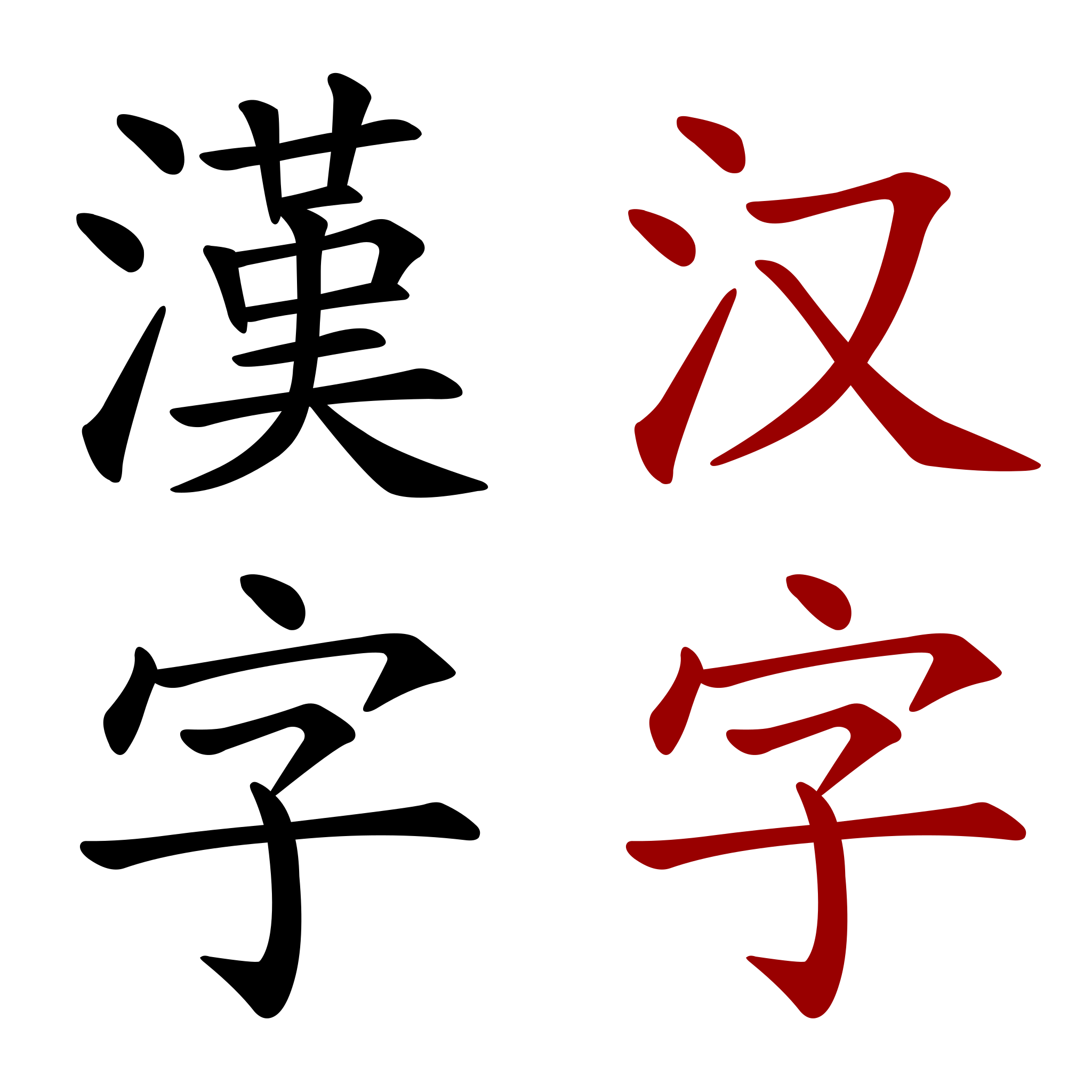
漢字 汉字

Han culture has affected not only China, but also many of the surrounding nations. The words used by some of these nations to refer to “Chinese characters” are obvious echoes of “Hànzì (Hàn·zì {Han (Chinese)} · Characters 汉字 漢字)”:

  • Japanese: kanji
  • Korean: Hanja
  • Vietnamese: hán tự

Hànzì (Hàn·zì {Han (Chinese)} · Characters 汉字 漢字) are still used a lot in modern Japanese writing. However, although Hànzì (Hàn·zì {Han (Chinese)} · Characters 汉字 漢字) used to be the dominant writing system in Korea and in Vietnam, those nations have moved on to mainly use alphabetic writing systems.

The Korean Connection

Regarding the situation in Korea, the Awake! article “Let’s Try Writing in Hankul!” says:

BEFORE Hankul [or Hangul] was created, the Korean language did not have its own script. For more than a thousand years, educated Koreans wrote their language using Chinese characters. Over the years, however, various attempts were made to devise a better writing system. But since all of them were based on Chinese characters, only the well-educated could use them.

King Sejong spearheaded the creation of an alphabet that would both suit spoken Korean and be easy to learn and use.

Sadly, some scholars opposed Hankul, precisely because it was so easy to learn! They derisively called it Amkul, meaning “women’s letters.” They disdained a system that could be learned even by women, who back then were not taught to read in the schools. This prejudice against Hankul persisted among upper-class Koreans for some time. In fact, more than 400 years elapsed before the Korean government declared that Hankul could be used in official documents.

The Chinese Conundrum

How about the writing system situation in China itself? Do the Chinese languages need to be written using Hànzì (Hàn·zì {Han (Chinese)} · Characters 汉字 漢字)? Chinese traditionalists have influenced many people to assume so, but there is actually no technical linguistic requirement that any Chinese language be written using Hànzì (Hàn·zì {Han (Chinese)} · Characters 汉字 漢字)—writing Chinese languages using Hànzì (Hàn·zì {Han (Chinese)} · Characters 汉字 漢字) is purely and merely a deeply embedded tradition.

Proof that the use of Hànzì (Hàn·zì {Han (Chinese)} · Characters 汉字 漢字) is merely a tradition and not a technical requirement comes from the fact that Pīnyīn (Pīn·yīn {Piecing Together of} · Sounds → [Pinyin] 拼音), a phonetic alphabetic system designed by a Chinese government team, is a good, workable full writing system for Modern Standard Mandarin.

Why has China held on to its traditional use of Hànzì (Hàn·zì {Han (Chinese)} · Characters 汉字 漢字) when other nations have moved on to alphabetic writing systems? As mentioned in the MEotW post on “Zhōngguó (Zhōng·guó Central · Nation → [China | Chinese] 中国 中國)”,

Some wonder why China has held on to its archaic characters writing system instead of moving on to using a modern alphabetic writing system like almost every other nation does, even though outstanding native sons like Lǔ Xùn ((Lǔ Stupid; Rash (surname)) (Xùn Fast; Quick; Swift 迅) (pen name of Zhōu Shùrén, the greatest Chinese writer of the 20th cent. and a strong advocate of alphabetic writing)) have advocated strongly for that. Perhaps the proud self-centredness of the only nation to name itself the centre of the world provides a clue….

When the Communists took over China a few years after World War II, their Plan A for China’s writing system situation actually did involve eventually moving on from the characters to an alphabetic writing system that would be developed, which turned out to be Pīnyīn (Pīn·yīn {Piecing Together of} · Sounds → [Pinyin] 拼音). However, the government needed the help of the people already educated in Hànzì (Hàn·zì {Han (Chinese)} · Characters 汉字 漢字), and many of these people opposed this plan that they feared would involve leaving behind, or at least de-emphasizing, a cultural tradition that they were very proud of, that they had invested very much time and effort into mastering, and that gave them much prestige in the existing environment.1 In other words, the pride and prejudice of those who had already been educated in the Hànzì (Hàn·zì {Han (Chinese)} · Characters 汉字 漢字) caused them to disparage and oppose the idea of a simpler alternative writing system, just as had been the case in Korea, as noted above. So, the simplification of the Hànzì (Hàn·zì {Han (Chinese)} · Characters 汉字 漢字) is the farthest China has gotten so far with regard to official writing system reform, and even that has only been achieved in the face of much criticism and opposition.

Chairman Máo Zédōng ((Máo Hair (surname) 毛) (Zé·dōng Marsh · East 泽东 澤東) (the founder of the People’s Republic of China)) (Wikipedia article) himself supported continuing to move on, from simplification of the characters to actually adopting Pīnyīn (Pīn·yīn {Piecing Together of} · Sounds → [Pinyin] 拼音) as a writing system. In a letter to an old schoolmate, he wrote:

…Pinyin writing is a form of writing that is relatively convenient. Chinese characters are too complicated and difficult. At present we are only engaged in reform along the lines of simplification, but some day in the future we must inevitably carry out a basic reform.2
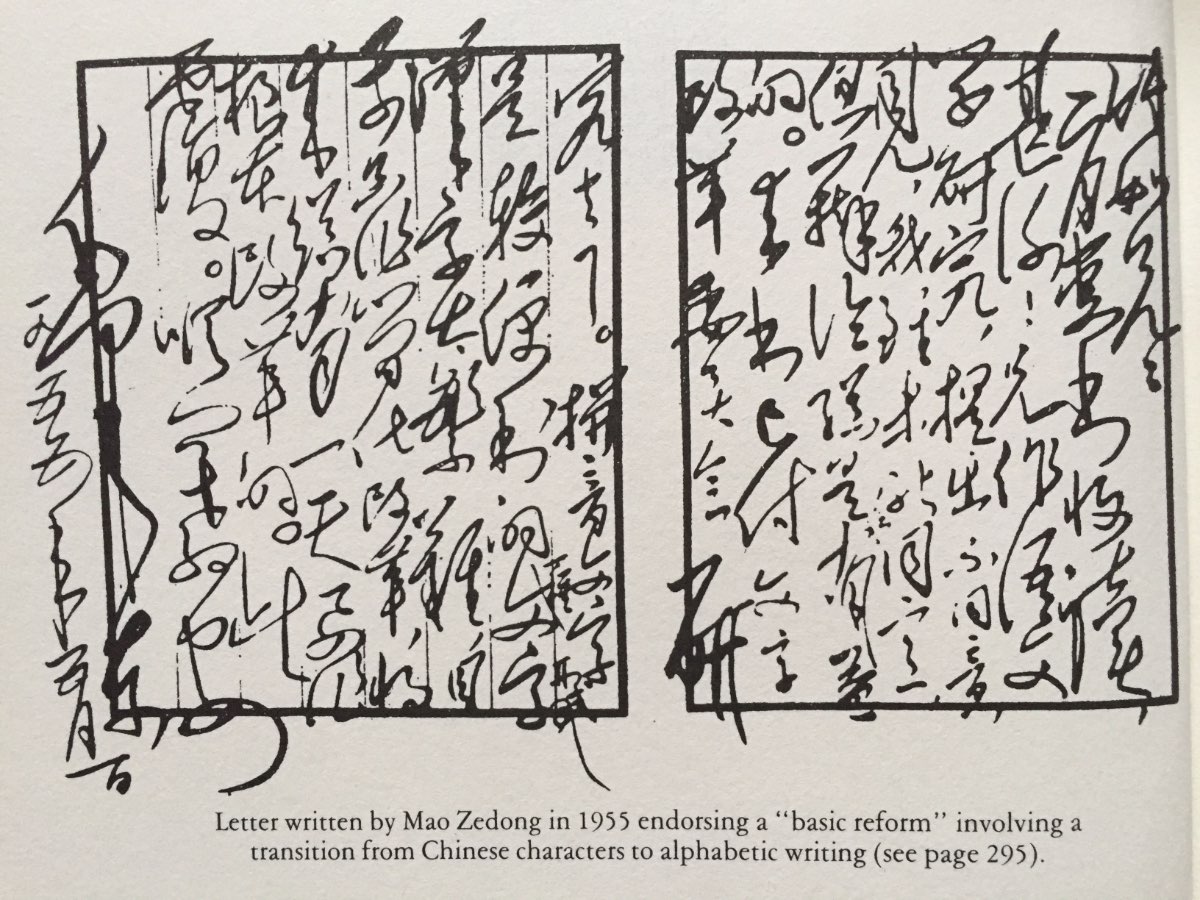
Letter from Mao endorsing a transition from Chinese characters to alphabetic writing

(The above picture is from near the beginning of the book The Chinese Language: Fact and Fantasy, by John DeFrancis.)

While obviously what Máo ((Máo Hair (surname) 毛) (abbr. for Máo Zédōng, the founder of the People’s Republic of China)) foresaw regarding a writing system “basic reform” in China has not yet come true, American sinologist and University of Pennsylvania Professor of East Asian Languages and Civilizations Victor H. Mair wrote in a blog post:

So, those who are in favor of HP [Hànyǔ (Hàn·yǔ {Han (Chinese)} · Language → [(Modern Standard) Mandarin] 汉语 漢語) Pīnyīn (Pīn·yīn {Piecing Together of} · Sounds → [Pinyin] 拼音)] don’t need to be concerned, and those who are opposed to HP don’t need to be frightened. HP is ineluctably playing a greater and greater role in the educational, cultural, social, political, and every other aspect of the lives of Chinese citizens, and this is occurring without regard to anyone pushing it as a governmental program. It is happening because of the wishes of those who actually use it for a wide variety of helpful purposes.

Digraphia [the use of more than one writing system for the same language, in this case the use of both Hànzì (Hàn·zì {Han (Chinese)} · Characters 汉字 漢字) and Pīnyīn (Pīn·yīn {Piecing Together of} · Sounds → [Pinyin] 拼音) for writing Modern Standard Mandarin] is emerging before our very eyes, enabling people to use the alphabet and the characters for whatever purposes they deem suitable. Nobody needs to take a vote or carry out a survey for this to happen.

Tourists or Missionaries?

Regardless of how worldly Chinese people view the Hànzì (Hàn·zì {Han (Chinese)} · Characters 汉字 漢字), how should we dedicated Mandarin field language-learners view them? It would be easy to fall back on the commonly accepted view, the tourist’s view, that the Hànzì (Hàn·zì {Han (Chinese)} · Characters 汉字 漢字) are an integral and fascinating part of China’s precious cultural heritage that we should duly respect and even heap adulation upon.

However, as Mandarin field language-learners, we are not in the Mandarin field to be tourists just enjoying the exotic foreign culture. On the contrary, we must be more like missionaries or spiritual rescue workers involved in an urgent life-saving work, because lives are indeed involved. As ones involved in an urgent, life-saving work, we need tools, technologies, and systems that efficiently and effectively help us to get this work done without wasting time and effort when people’s everlasting lives are at stake. From this sober and pragmatic angle, the extraordinarily difficult-to-learn-and-remember Hànzì (Hàn·zì {Han (Chinese)} · Characters 汉字 漢字) are far from ideal. Thus, while there is obviously value in learning as many Hànzì (Hàn·zì {Han (Chinese)} · Characters 汉字 漢字) as one is reasonably able to, it is fortunate that Pīnyīn (Pīn·yīn {Piecing Together of} · Sounds → [Pinyin] 拼音) exists and is available as a simple, effective alternative writing system for Mandarin, for the many times when it is not necessary to use Hànzì (Hàn·zì {Han (Chinese)} · Characters 汉字 漢字).


1. John DeFrancis, The Chinese Language: Fact and Fantasy (Honolulu: University of Hawaii Press, 1984), p. 258. ^

2. Ibid., p. 295. ^