Gēlìyà (Go·liʹath 歌利亚 歌利亞) 👈🏼 Tap/click to show/hide the “flashcard”
A few years back, I wrote up a brief web page listing reasons for producing Pīnyīn (Pīn·yīn {Piecing Together of} · Sounds → [Pinyin] 拼音), etc. material for the Imitate (ia) book. Some, especially some who grew up in the West, may have felt that this book is made up of “just stories”, and ones that they were already quite familiar with, at that. However, we must remember that Chinese Bible students may often have a different perspective regarding the Bible accounts that are made to come to life in the Imitate book. As that web page said:
- Many Chinese people in the world have not been exposed to Bible accounts the way many Westerners have.
- Also, I have heard that some, perhaps many, Chinese Bible students tend to approach their Bible studies like intellectual exercises for accumulating chōuxiàng (abstract) head knowledge as if for a school exam, rather than as training for their hearts for their own real lives.
Later, the web page touches on how some of the real-world benefits of good storytelling like that found in the Imitate book involve empathy:
- …
- The actress Natalie Portman once said, “I love acting. I think it’s the most amazing thing to be able to do. Your job is practicing empathy. You walk down the street imagining every person’s life.”
- The Imitate book helps build Bible students’ empathy towards Bible characters, which in turn helps Bible students realize that others would feel empathy towards them as well if they imitated these Bible characters—not everyone will just think they’re crazy, like many worldly friends or family members might think.
While even fictional stories can have the benefits described in the links and the quote above, true stories from the Bible can have even greater benefits, including spiritual ones.
Besides the Imitate book, another book from Jehovah’s organization that relates Bible accounts is the Learn From the Bible (lfb) book. The letter from the Governing Body in this book says that, similarly to the Imitate book, the Learn From the Bible book also “brings the Bible accounts to life and captures the feelings of those depicted”, while, unlike the Imitate book, it “tells the story of the human family from creation onward”. While the Learn From the Bible book is especially suitable for children, the letter from the Governing Body in this book says that “it can also be used to help adults who desire to learn more about the Bible”. So, it would be good to consider on this blog some of the expressions used in the Mandarin Learn From the Bible book.
Goliath, By the Sound of It
This week’s MEotW, “Gēlìyà (Go·liʹath 歌利亚 歌利亞)”, is the Mandarin version of the name “Goliath”. It is used in Lesson 40 of the Mandarin Learn From the Bible book, which is entitled “Dàwèi (David 大卫 大衛) Yǒngzhàn (Yǒng·zhàn Bravely · Fights 勇战 勇戰) Gēlìyà (Go·liʹath 歌利亚 歌利亞)” (“David and Goliath”).
It is apparent that “Gēlìyà (Go·liʹath 歌利亚 歌利亞)” was chosen to represent “Goliath” in Mandarin because of what it sounds like, not because of the meanings of the supposedly ideographic (representing meaning directly through visible symbols, bypassing speech) Chinese characters used to write it out (“Song Profit Inferior”??? 🤷🏻).
A Cultural Goliath in the Chinese World
In this world ruled by Satan, Chinese characters loom large in people’s minds, like a cultural and traditional Goliath. To Jehovah God, though, the Creator and Sovereign of the entire universe, Goliath was small and insignificant back in David’s time, and Chinese characters are small and insignificant today. Indeed, even though Chinese characters have been around for millenia and are the oldest writing system still in use among humans, to Jehovah, to whom ‘a thousand years is as one day’, characters have only been around for a few days!—2 Peter 3:8.
“To Jehovah, for whom ‘a thousand years is as one day’, Chinese civilization has only been around for a few days.…
“…we should boast in Jehovah, not in needlessly and self-indulgently complex knowledge relating to a mere worldly human culture” https://t.co/emXNAng9W2#MEotW pic.twitter.com/xEjlDPAkud
— tiandi, Links News (@TiandiLinksNews) June 9, 2024
Don’t Submit to Goliath—Trust in Jehovah!
It may seem like we have no choice but to submit to Chinese characters, these seemingly mighty symbols of worldly Chinese culture, and give them the egregious amounts of time, energy, and devotion they demand. However, for us dedicated ones, our time, energy, and devotion belong to Jehovah, so we should spend them carefully, in ways that are worthwhile with regard to our efforts to glorify Jehovah and accomplish the urgent, life-saving work he has assigned to us.
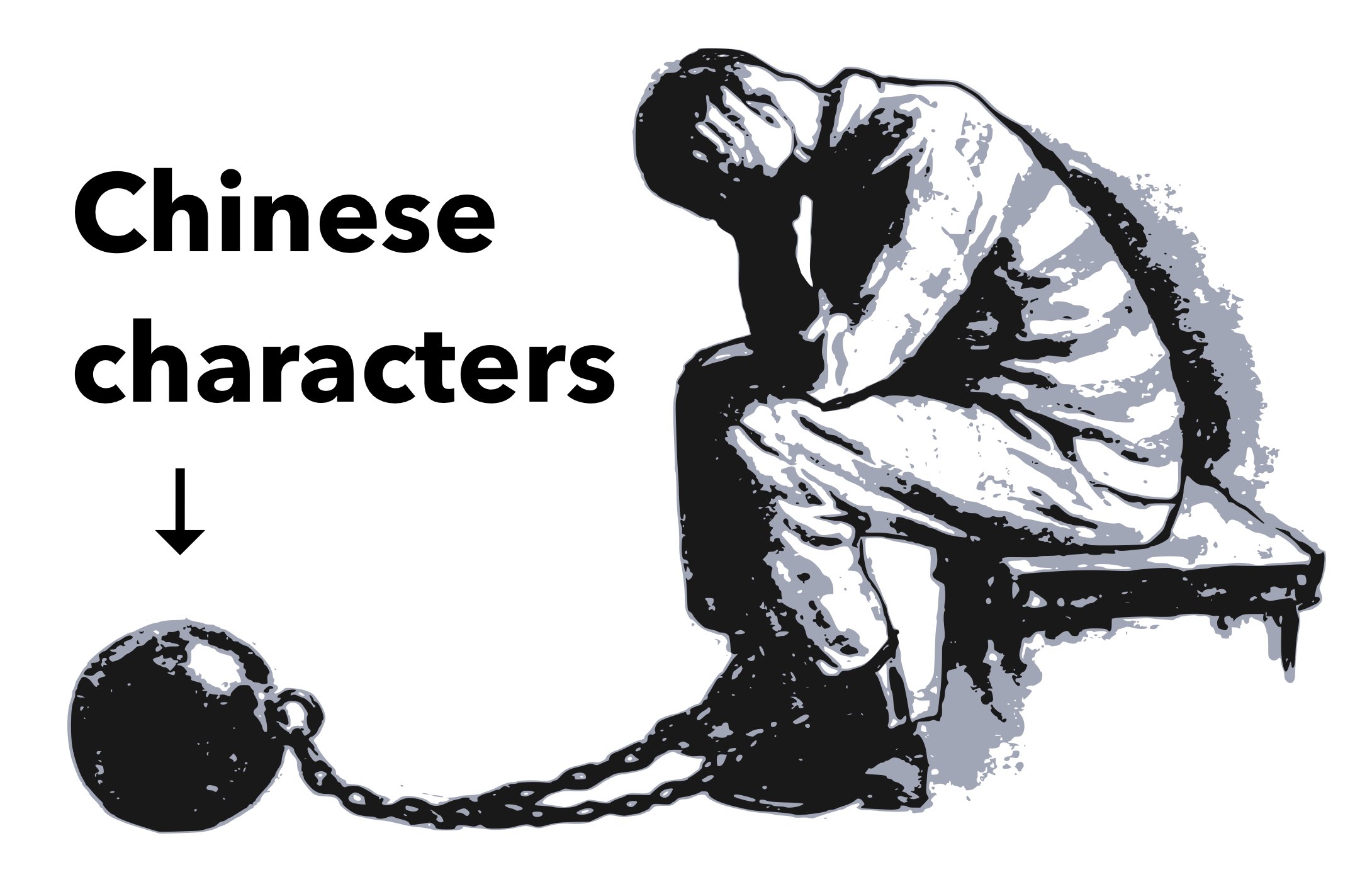
Back in David’s time, it may have seemed to the Israelites facing Goliath that they had no option but to become slaves to the Philistines, because who could defeat the mighty Goliath? However, rather than being intimidated by this abnormally large but still limited and imperfect human, David put Jehovah first and really trusted in him, resulting in Jehovah blessing his efforts and helping him to soundly and decisively defeat Goliath. And yes, besides trusting in Jehovah, David did also contribute his own efforts—he both prepared to battle Goliath (for example, by carefully selecting “five smooth stones from the streambed”, stones that would come off his sling and fly through the air smoothly), and also actually stepped up and fought this battle.—1 Samuel 17:40.
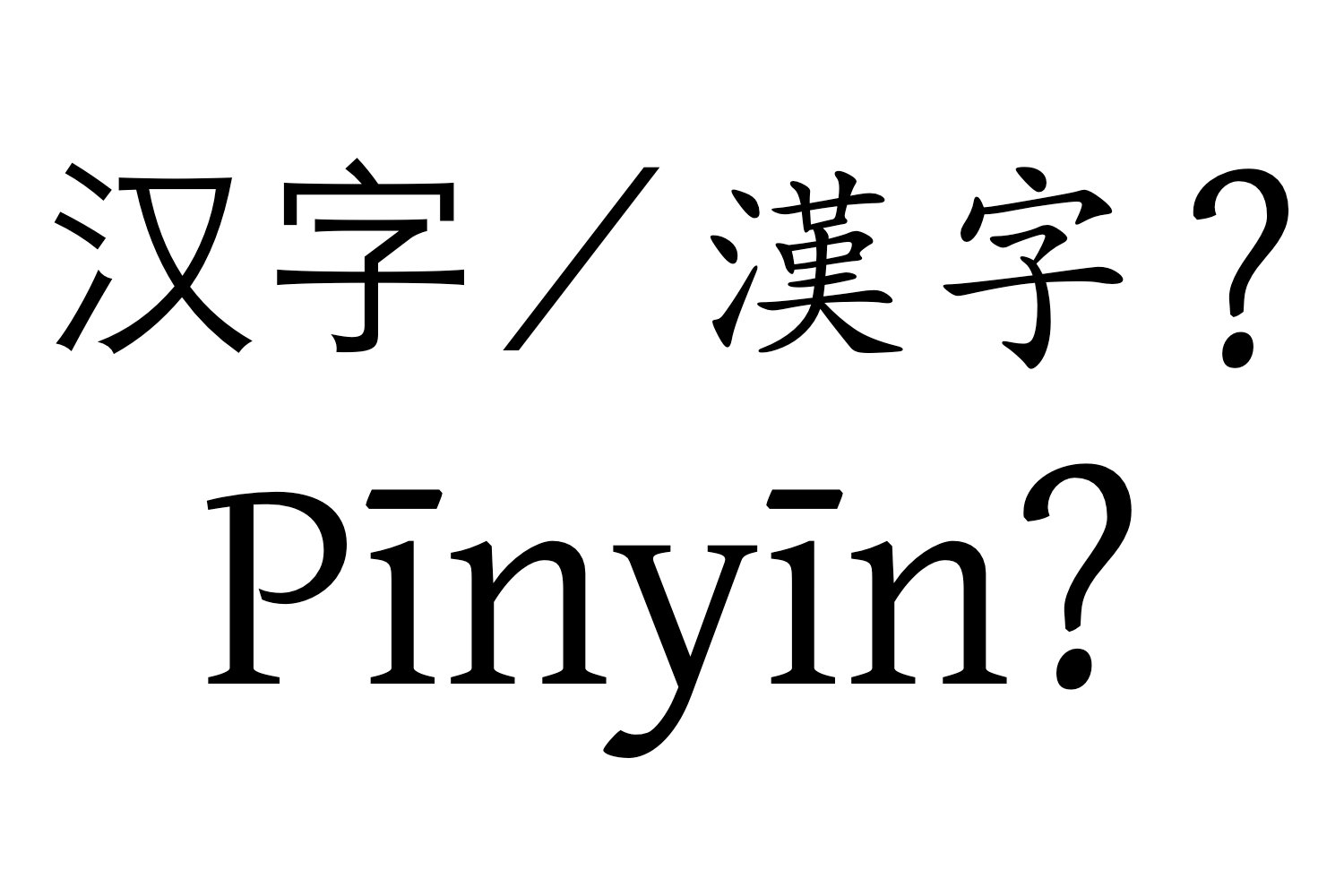
Today, Pīnyīn (Pīn·yīn {Piecing Together of} · Sounds → [Pinyin] 拼音) can be one of our symbolic “smooth stones” that help us prepare for and successfully fight our personal battle to, with Jehovah’s help, defeat the cultural Goliath that is the characters, and learn to understand Mandarin and speak it understandably (and smoothly!) to the Mandarin-speaking people we meet in the field.
For convenience:
The direct link for the Pīnyīn (Pīn·yīn {Piecing Together of} · Sounds → [Pinyin] 拼音) Plus resource for the Learn From the Bible book is:
The short link for Chinese field language-learning links for the Learn From the Bible book is:
More Pīnyīn (Pīn·yīn {Piecing Together of} · Sounds → [Pinyin] 拼音) and Pīnyīn (Pīn·yīn {Piecing Together of} · Sounds → [Pinyin] 拼音) Plus web material based on the Mandarin Learn From the Bible book will be made available in the Pīnyīn (Pīn·yīn {Piecing Together of} · Sounds → [Pinyin] 拼音) Plus web resource as time allows.