📖 📄 ➕ DÌ‐18 ((DÌ [pref to form ordinal numbers] 第)‐(SHÍ·BĀ TEN · EIGHT → [EIGHTEEN] 18) → [18TH]) KÈ+ (LESSON 课 課)
📖 📄 ➕
Wǒmen
(Wǒ·men
We · [pl]
我们
我們)
Zěnyàng
(Zěn·yàng
(in) What · {Pattern → [Way]} → [How]
怎样
怎樣)
Bāngzhù
({Do Help}
帮助
幫助)
Shòuzāi+
(Shòu·zāi
{Have Received} · Disaster
受灾
受災)
de
(’s
的)
Dìxiong
(Dì·xiong
{Younger Brothers} · {Elder Brothers} → [Brothers]
弟兄)
Zǐmèi
(Zǐ·mèi
{Elder Sisters} · {Younger Sisters} → [Sisters]
姊妹)?
🔼
[🔊 (WOL >  )]
)]

📖 📄 ➕ Duōmǐníjiā (Dominican 多米尼加) Gònghé‐Guó+ ((Gòng·hé Shared · Harmony → [Republic] 共和)‐(Guó Nation 国 國) → [Republic])
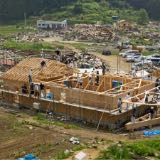
📖 📄 ➕ Rìběn+ (Rì·běn Sun’s · {Root → [Origin]} → [Japan] 日本)
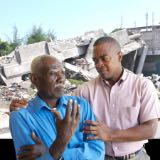
📖 📄 ➕ Hǎidì (Haiti 海地)
📖 📄 ➕ [túpiàn+ (tú·piàn picture · {slices → [mw]} 图片 圖片) (jw.org)]
📖 📄 ➕ Yídàn+ (Yí·dàn once · {(it) dawns (that)} → [once] 一旦) yǒu ({(there) has had} → [(there) has been] 有) zāinàn (zāi·nàn {a disaster} 灾难 災難) fāshēng (fā·shēng (that) {issued forth} · {came to life} → [(that) happened] 发生 發生), Yēhéhuá (Jehovah’s 耶和华 耶和華) Jiànzhèng‐Rén+ ((Jiàn·zhèng {Having Seen} · Testifying 见证 見證)‐(Rén People 人) → [Witnesses]) jiù (then 就) huì (will 会 會) xùnsù+ (xùn·sù {(with) swift} · speed 迅速) jiùzhù shòuzāi de dìxiong zǐmèi, yǐ xíngdòng biǎomíng wǒmen zhēnde bǐcǐ xiāng’ài. (Yuēhàn Fúyīn ((Yuēhàn John’s 约翰 約翰) (Fú·yīn Blessings · {Sounds → [News]} 福音) → [The Good News According to John]) 13:34, 35; Yuēhàn Yīshū ((Yuēhàn John’s 约翰 約翰) (Yī·shū First · {Writing → [Letter]} 一书 一書) → [1 John]) 3:17, 18) Zěnyàng jiùzhù ne?
📖 📄 ➕ Juān ((we) donate 捐) qián (money 钱 錢) yuánzhù+ (yuán·zhù {to aid} · {to help} 援助) Gōngyuán (Gōng·yuán Common · Beginning → [C.E. (Common Era)] 公元) 1 shìjì (shì·jì generation · era → [century] 世纪 世紀), Yóudìyà fāshēng dà jīhuang, Āntí’ā de Jīdūtú juānkuǎn jiùjì shòuzāi de dìxiong. (Shǐtú Xíngzhuàn ((Shǐ·tú Sent · Disciples’ → [Apostles’] 使徒) (Xíng·zhuàn Doings · Biography 行传 行傳) → [Acts]) 11:27–30) Jīntiān, wǒmen rúguǒ zhīdào mǒu dì de dìxiong zǐmèi zāoyù kùnnan, yě huì tōngguò běndì huìzhòng juānkuǎn, hǎo xiàng jíxū bāngzhù de rén tígōng wùzī. (Gēlínduō Hòushū 8:13–15)
📖 📄 ➕ Chūlì (Chū·lì (we) {put out} · strength 出力) jiùzhù+ (jiù·zhù {to rescue} · {to help} 救助) Shòuzāi (Shòu·zāi {has received} · disaster 受灾 受災) dìqū (dì·qū land · region 地区 地區) de (’s 的) zhǎnglǎo (zhǎng·lǎo {grown → [elder]} · old (men) → [elders] 长老 長老) shèfǎ liánluò huìzhòng de suǒyǒu chéngyuán, yǐqiú zhīdào tāmen shēn zài héchù, shìfǒu ānquán. Yēhéhuá Jiànzhèng‐Rén zǔchéng de zhènjì wěiyuán huì zé wèi shòuzāi de dìxiong zǐmèi diàopèi liángshi, yǐnyòng shuǐ, hé yīwù, bìng tígōng ānshēn de dìfang jí yīliáo fúwù. Xǔduō jùyǒu jiùzāi jìnéng de Yēhéhuá Jiànzhèng‐Rén, zìyuàn bìng zìfèi dào zāiqū cānyù jiùyuán gōngzuò, bāokuò xiūlǐ pòsǔn de zhùsuǒ hé Wángguó Jùhuì Suǒ. Yēhéhuá Jiànzhèng‐Rén shì ge tuánjié de zǔzhī, jiāshàng chángcháng hézuò jīlěile jīngyàn, suǒyǐ néng xùnsù cǎiqǔ jiùzāi xíngdòng. Chúle bāngzhù “qīn‐rú‐yì‐jiā” de Jīdūtú tónggōng, wǒmen yě jìn kěnéng xiàng qítā rén shēnchū yuánshǒu, búlùn tāmen xìnfèng shénme zōngjiào. (Jiālātàishū 6:10)
📖 📄 ➕ Ānwèi+ (Ān·wèi (we) calm · comfort 安慰) hé (and 和) gǔlì (gǔ·lì {drum → [rouse]} · encourage 鼓励 鼓勵) Zāimín+ (Zāi·mín disaster · people → [victims of a disaster] 灾民 災民) tèbié xūyào ānwèi. Zāinàn fāshēng shí, wǒmen kěyǐ cóng “cì yíqiè ānwèi de Shàngdì” Yēhéhuá nàli dézháo lìliang. (Gēlínduō Hòushū 1:3, 4) Shàngdì zài Shèngjīng zhōng chéngnuò, tā kuàiyào tōngguò tā de Wángguó zhōngzhǐ yíqiè lìng rén bēishāng tòngkǔ de shì, wǒmen jiāng zhèige xìnxī gàosu shāngxīn de rén, ràng tāmen dézháo ānwèi. (Qǐshìlù (Qǐ·shì·lù Enlightening · Showing · Record → [Revelation] 启示录 啟示錄) 21:4)
- 📖 📄 ➕ Wèishénme (Wèi·shén·me for · what · [suf] → [why] 为什么 為什/甚麼) Yēhéhuá (Jehovah’s 耶和华 耶和華) Jiànzhèng‐Rén ((Jiàn·zhèng {Having Seen} · Testifying 见证 見證)‐(Rén People 人) → [Witnesses]) néng ({are able} 能) xùnsù+ (xùn·sù {(with) swift} · speed 迅速) cǎiqǔ (cǎi·qǔ {to pick} · {to take} → [to take] 采取 採取) jiùzāi (jiù·zāi {saving (from)} · disaster 救灾 救災) xíngdòng (xíng·dòng {walking → [doing]} · moving → [action] 行动 行動)?
- 📖 📄 ➕ Wǒmen (Wǒ·men we · [pl] 我们 我們) kěyǐ (kě·yǐ can · [suf] 可以) zěnyàng (zěn·yàng what · {pattern → [way]} → [how] 怎样 怎樣) yòng (use 用) Shèngjīng (Shèng·jīng (the) Holy · Scriptures → [the Bible] 圣经 聖經) ānwèi (ān·wèi {to calm} · {to comfort} 安慰) zāimín (zāi·mín disaster · people → [victims of a disaster] 灾民 災民)?